
Home › Standards and SOPs
Standards and SOPs
What we inspect against, and exactly how we do it
An inspection is only useful if everyone knows the yardstick and the method. This page sets out the standards we apply, the parameters we measure, the sampling rules we follow and the procedure every inspector works to from arrival at the site to release of the report.
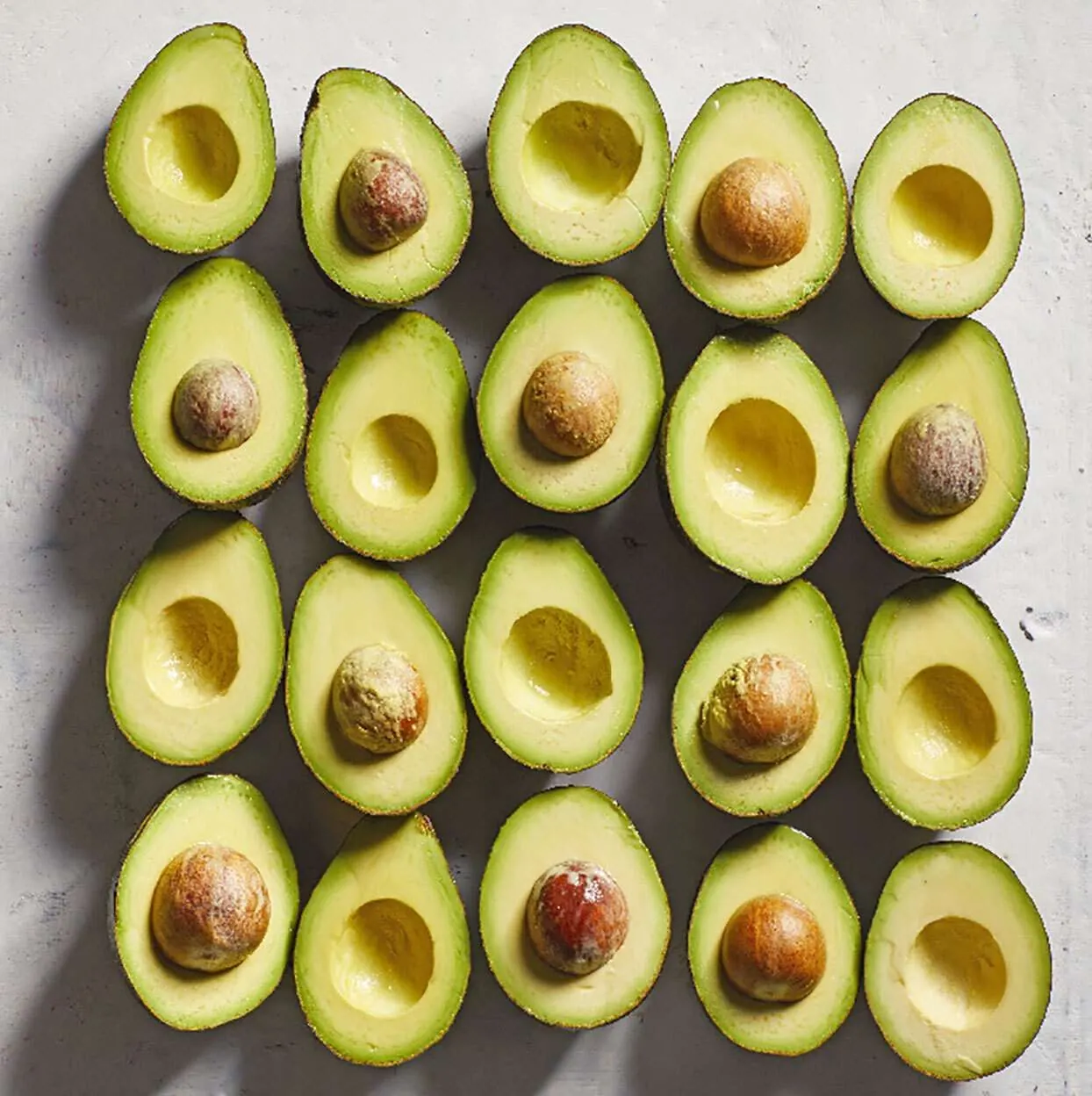
Standards
The references we inspect against
We inspect against the standard you nominate and we name it in the report. Legal requirements, the buyer's private specification and voluntary schemes are kept separate so that nobody confuses one with another.
| Reference | What it governs | Products | How we use it |
|---|---|---|---|
| UNECE standard FFV-42 | Marketing and commercial quality of avocados: minimum requirements, maturity, classification into Extra Class, Class I and Class II, sizing, tolerances, presentation and marking | Avocados | Default classification reference; tolerances applied per class and per lot |
| UNECE standard FFV-45 | Marketing and commercial quality of mangoes | Mangoes | Default classification reference for mango inspections |
| Other UNECE FFV standards | Beans, peas, fresh herbs and other fruit and vegetables | Vegetables, herbs, pineapple, passion fruit | Applied where the buyer has not specified otherwise |
| Codex Alimentarius standards | International standards for avocado, mango and other fresh fruits and vegetables | All | Reference for markets that cite Codex |
| EU marketing standards | The general marketing standard for fresh fruit and vegetables under the EU fruit and vegetables regime, and the specific standards where they apply | Shipments to the European Union | Reference for conformity of EU bound cargo; the importer remains responsible for the conformity check at entry |
| Kenya export requirements | Minimum maturity by variety set by the Agriculture and Food Authority, Horticultural Crops Directorate; mandatory inspection and KEPHIS phytosanitary certification | Fresh produce exported from Kenya | Dry matter results reported against the regulator's minimum as well as the buyer's threshold; our inspection does not replace the official inspection |
| Other origin requirements | National export and phytosanitary requirements of Tanzania, Uganda, Rwanda and Burundi | Produce from those origins | Confirmed per origin and stated in the report |
| Buyer specification | The private specification agreed between seller and buyer: dry matter minimum, sizes, class, packaging, labelling, temperature and tolerances | All | Takes precedence where it is stricter than the public standard; we ask for it when you request the inspection |
| Nine point grading scale | A grade per sample from clearly out of specification to superior, consistent with European inspection practice, with storage advice | All | Reported alongside class so that risk for the voyage is visible even when the class is met |
Voluntary schemes such as GLOBALG.A.P., GRASP or organic certification are certifications of farms and packhouses, not of a consignment. We record the certificates presented but we do not certify against those schemes.
Parameters
What we measure on every consignment
Standard operating procedure
Twelve steps every inspector follows
Our SOP is written for inspectors, exporters, packhouses, transporters and buyers, and our training courses teach it in full. In summary:
- Preparation. Confirm the client, exporter, packhouse, product, variety, origin, codes, lot, packing date, container, pallets, cartons, declared weight and size, class, destination, specification, temperature requirement, location and date. Note anything missing or unclear.
- Equipment check. Calibrated scale, probe thermometer, penetrometer, dry matter equipment, knives, size rings, camera or tablet, disinfectant and clean protective clothing. Nothing is measured with uncalibrated tools.
- Walk around. Inspect every pallet before sampling: stability, alignment, damage, moisture, mould, labels, mixed brands or sizes, ventilation, visible black, soft or damaged fruit, and signs of poor temperature management in top or bottom layers.
- Photograph identification. Container or truck, pallet numbers, overview, carton and product labels, codes, variety, size, class, origin, weight, packing date and any damage, in a fixed order.
- Temperature. At least six pulp readings across positions and layers, ambient where possible, each with pallet, time and photograph. Cold chain breaks are reported clearly.
- Sampling. At least six cartons per lot, three from exposed top positions and three from middle or lower positions on different pallets, more for large, mixed or suspect lots; never combine lots.
- Weight and size. Weigh sampled cartons, count fruit, compare with the declaration, record variation and uniformity.
- External assessment. Examine every fruit in the sample, name and count each defect, photograph representative examples, classify as minor or major.
- Internal assessment, firmness and maturity. Cut fruit from every sample, record flesh condition, firmness and dry matter against the nominated minimum.
- Packaging, labelling and pallets. Verify the marking against contents, carton and pallet condition, and the consumer unit rule where applicable.
- Conclusion and advice. Separate facts from opinion, state the grade, the class, the estimated waste, storage advice and a plain recommendation. Serious defects are reported to the client immediately, before the report.
- Review and release. The report is reviewed by a senior inspector, released with the names of the inspector and the reviewer and the time of release, and sent to the nominated recipients.
Conduct
How our inspectors behave
- Inspect what is physically present and record facts before conclusions
- Separate objective findings from opinion and use consistent terminology
- Compare against the correct specification for the product, market and buyer
- Never rely on the top layer, never ignore hidden defects, never mix lots
- Report serious defects immediately to the client
- Respect site hygiene and biosecurity rules and leave the fruit as found
- Accept no instruction from any party about the result, and no payment linked to the outcome
Questions about standards
Yardsticks, grades and sampling
Which standard do you inspect against?
The standard you nominate. For avocados the usual references are the UNECE standard FFV-42, the Codex standard for avocado, the EU marketing standards and the buyer's own specification, together with Kenya's export maturity requirements. For mangoes it is UNECE FFV-45 and Codex; for vegetables and herbs the relevant UNECE standards and the buyer specification. Where no standard is nominated we apply the UNECE standard and say so in the report.
What is your grading scale?
Each sample receives a grade on a nine point scale used in European inspection practice, from clearly out of specification to superior quality, together with its class under the nominated standard and a storage advice. Grade and class are stated separately because a fruit can be the right class yet carry a risk for the voyage ahead.
How many cartons do you sample?
At least six cartons per lot, three from exposed top positions and three from middle or lower positions on different pallets, increased when the consignment is large, mixed or already shows deviations. Different suppliers, varieties, sizes, brands or packing dates are sampled and reported separately.
Do you follow a written procedure?
Yes. Every inspector works to our standard operating procedure, summarised on this page, and every report is reviewed and released by a senior inspector before it is published.
Ready when your fruit is
Book an inspection or ask us anything
Request an inspection online or write to our inspection desk. Tell us the product, origin, quantity, loading date and destination and we take it from there.