
Home › Services
Services
Inspections and surveys at origin and destination, and training for the people who handle the fruit
Every service below is delivered by trained inspectors following a written standard operating procedure, against the standard you nominate, and ends in a photographic report released by a senior inspector. Fees are quoted per job and are never published.

At origin
Pre loading inspections
The decisive moment for perishable cargo is the hour before the container closes. Our inspector attends the packhouse, cold store or depot, draws a representative sample and checks the consignment against the agreed specification before it leaves.
At origin
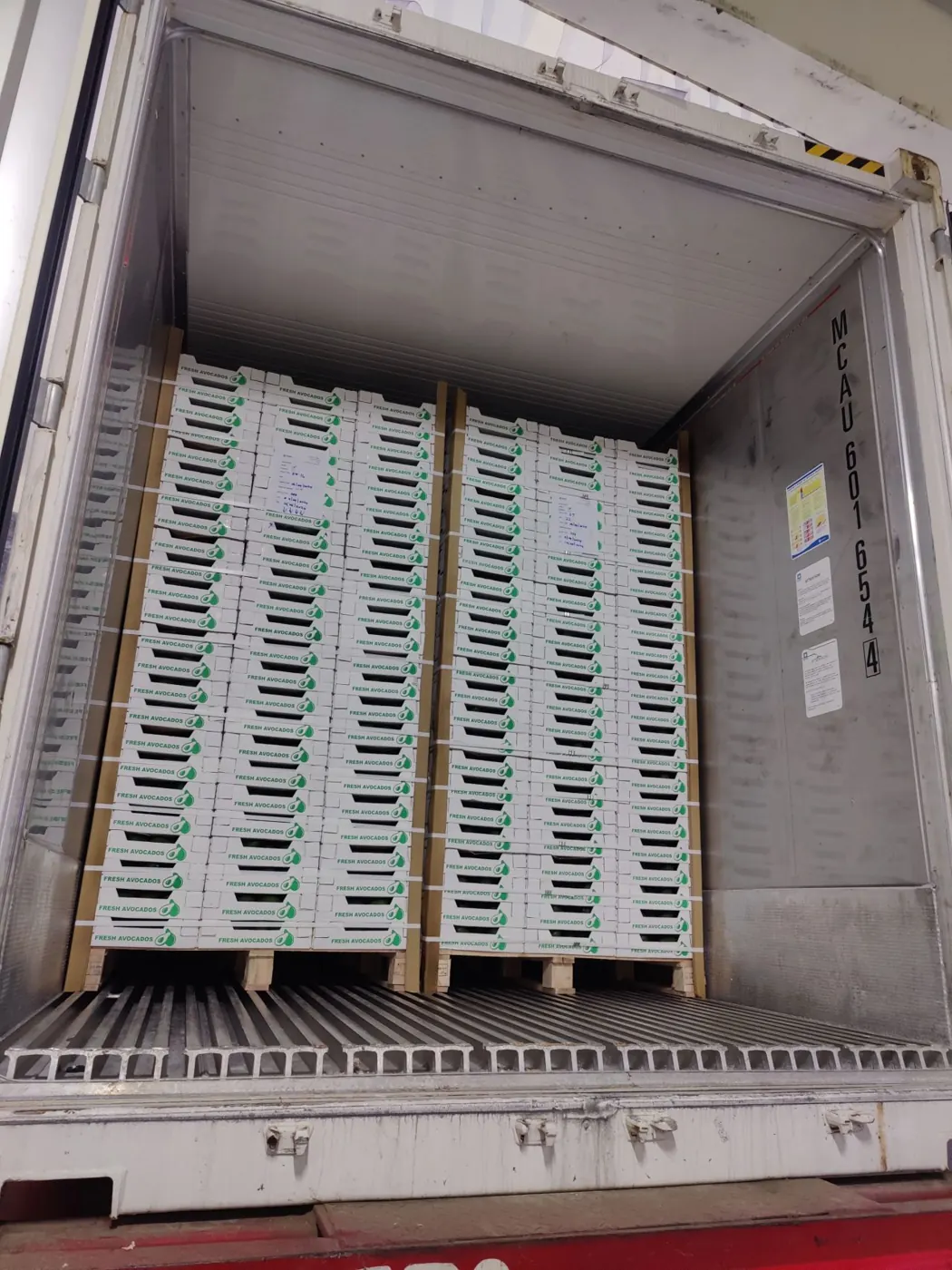
Container loading, cold chain and reefer verification
Most arrival claims trace back to the loading. We verify the reefer and the loading discipline so that carriage questions are settled on data rather than opinion.
- Pre trip inspection record, structure, cleanliness, odour and door gaskets
- Set point, ventilation, humidity and controlled atmosphere values against the booking
- Pre cooling achieved and pulp temperature at loading
- Stowage, airflow and red line compliance; no mixed ethylene sensitive cargo without agreement
- Seal witnessed and cross referenced to the bill of lading and shipping instructions
- Data logger placed and registered
Available as part of the packhouse inspection or as a single attendance from packhouse to seal.
Before harvest and at the packhouse
Dry matter and maturity testing
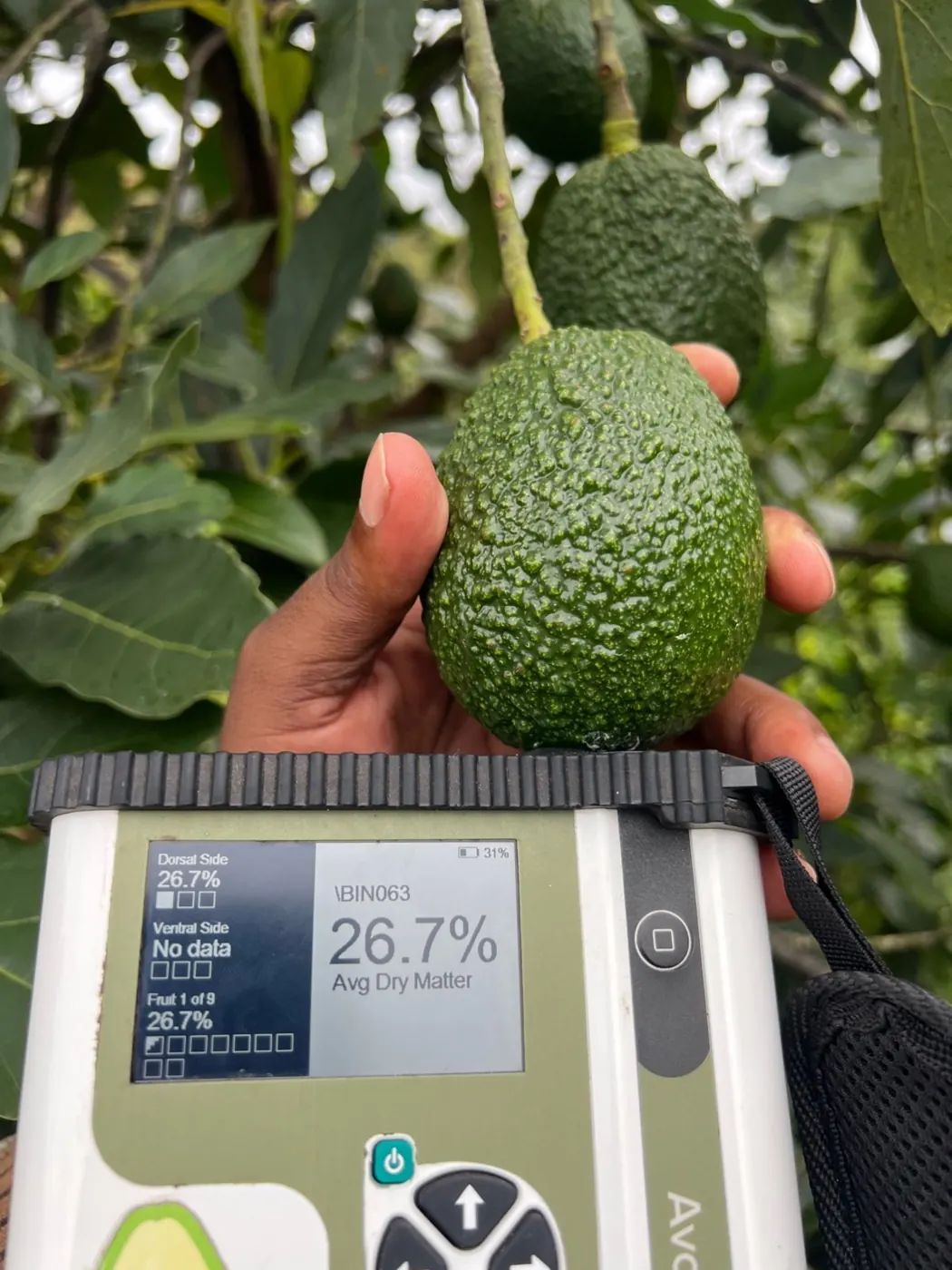
Immature avocados never ripen properly, and buyers know it. We test dry matter on the tree, at the collection point and at the packhouse, so that harvest decisions and export releases rest on measured maturity rather than on the calendar.
- Block by block sampling before the harvest crews go in
- Results recorded per fruit with variety, size, minimum, maximum and average
- Checked against the regulator's minimum and the buyer's own threshold
- Firmness, colour and cutting tests alongside dry matter where the market requires
At destination
Arrival and out turn surveys
When the container is opened three to five weeks later, the only fair comparison is with what was recorded at loading. Through our partner surveyor network we attend the port, cold store or ripening facility and report in the same format, so origin and destination findings sit side by side.
- Seal integrity and container condition on arrival
- Temperature data logger download and interpretation
- Sampling and quality assessment against the loading report
- Ripening stage, firmness, internal quality, defects and estimated waste
- Photographic evidence suitable for claims and for supplier feedback
Coverage includes the Netherlands, Belgium, Germany, France, Spain, Italy, the United Kingdom, the Nordic region, the United Arab Emirates, Saudi Arabia, China, Hong Kong, India, Singapore, Malaysia and North America, with other destinations on request.
For programmes and platforms
Programme quality control: one standard, every container
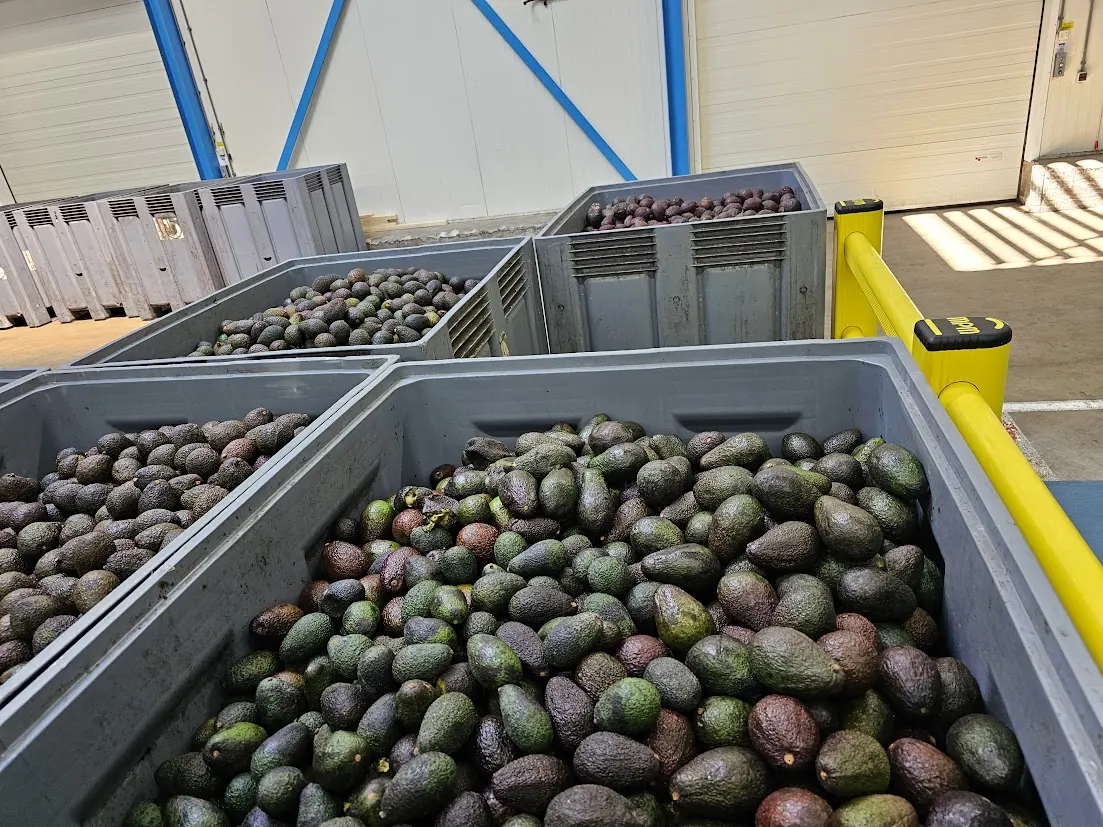
For exporters shipping weekly, for importers running a season programme and for platforms, insurers and financiers that need a control on every consignment, we apply one agreed standard across the whole season and report the trends.
When parties disagree
Second opinion and dispute surveys
When a buyer and a seller read the same fruit differently, an independent survey gives both a reference they can settle on. We attend at origin or at destination, document the condition and state what the evidence supports, without taking sides.
Training
Training for exporters, quality managers and inspectors
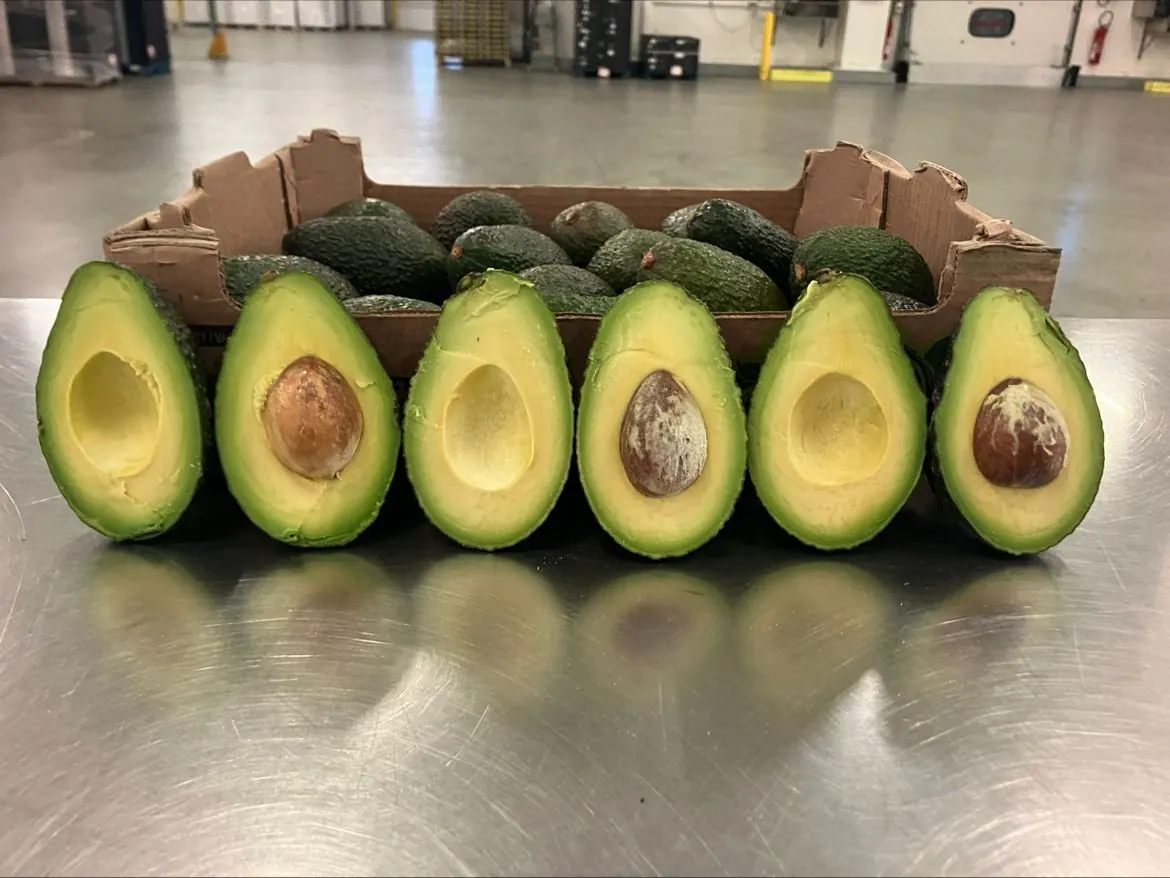
Quality improves fastest when the people who harvest, grade, pack and load understand what the market will measure. We run collective programmes across the region and in house courses at your packhouse, taught by senior inspectors using the same method and standards we apply in our own reports.
Who we serve
Tell us who you are and we shape the scope
Exporters and packhouses
Evidence at loading that protects you from claims you did not cause, feedback that improves the next shipment, and a report your buyer trusts. Weekly programmes attract programme terms.
Importers, retailers and buyers
Approve a new supplier, check maturity and specification before the container sails, and compare with an arrival survey when it lands. Nominate who receives the report.
Insurers, financiers, shipping lines and regulators
Defined scopes, independent sign off and shared data for cargo cover, trade finance, carriage and export programmes. See the partners page.
Questions about our services
Scope, timing and use of the report
What does a pre loading inspection cover?
Identification of the consignment and documents; a walk around all pallets; representative sampling from several pallets and layers; carton weight and fruit count; size grading; pulp temperature at several positions; firmness; dry matter; external and internal quality with defects named and counted; packaging, labelling and pallet condition; and, where booked, reefer pre trip inspection, pre cooling, set point, stowage, loading supervision and seal. The report states the condition at the time of inspection and gives storage advice.
Can you inspect before harvest?
Yes. Dry matter and maturity tests on the tree or at the collection point tell a grower or exporter whether a block is ready to pick for a given market, and give the buyer confidence before a programme starts.
Do you supervise loading and sealing?
Yes, as a separate scope or together with the packhouse inspection. The inspector checks the reefer pre trip inspection record, cleanliness and odour, set point and ventilation, pre cooling of the cargo, pulp temperature at loading, stowage against the red line, and witnesses the seal, cross referenced to the shipping documents.
How are destination surveys arranged?
You tell us the vessel, container and arrival details. We book a surveyor from our partner network at the port, cold store or ripening facility, who attends at devanning, downloads the temperature data logger, checks the seal, samples the cargo and reports in the same format as the origin inspection, so the two can be compared.
Can the report be used for an insurance claim or a bank?
Yes. Reports are written as evidence: dated, photographed, with the inspector and the releasing senior inspector named. Insurers and financiers who want a defined scope and a sign off per container should contact us to agree the standard and the format in advance.
Ready when your fruit is
Book an inspection or ask us anything
Request an inspection online or write to our inspection desk. Tell us the product, origin, quantity, loading date and destination and we take it from there.